

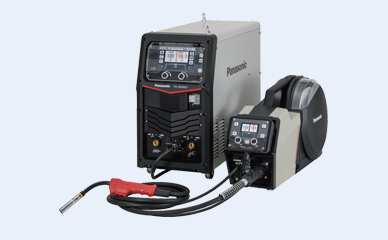
Arc welding is a process that uses electrical power to generate heat for joining metals. When electric current passes through an electrode and touches the base metal, an arc forms. The heat from this arc melts the metal, and as it cools, it forms a solid bond.
Arc welding machines regulate voltage and current to maintain a stable arc. They are commonly used for steel structures, pipelines, machinery frames, shipbuilding, and industrial manufacturing.
There are several main types of arc welding machines:
• Shielded Metal Arc Welding (SMAW) machines
• Gas Metal Arc Welding (GMAW or MIG) machines
• Gas Tungsten Arc Welding (GTAW or TIG) machines
• Submerged Arc Welding (SAW) systems
• Inverter welding machines
Each type supports different industrial applications depending on metal thickness, precision requirements, and production scale.
Below is a simplified comparison table of common arc welding processes:
| Welding Type | Electrode Type | Best For | Skill Level |
|---|---|---|---|
| SMAW (Stick) | Consumable coated rod | Outdoor structural work | Moderate |
| MIG (GMAW) | Continuous wire | Manufacturing and automotive | Beginner to Moderate |
| TIG (GTAW) | Non-consumable tungsten | Precision fabrication | Advanced |
| SAW | Continuous wire under flux | Heavy industry | Specialized |
Modern arc welding machines often use inverter technology, which improves energy efficiency, arc stability, and portability compared to traditional transformer-based systems.
Importance: Why Arc Welding Matters Today
Arc welding remains central to industrial development. It affects sectors such as:
• Infrastructure and bridge construction
• Oil and gas pipelines
• Power plant fabrication
• Automotive production
• Heavy equipment manufacturing
Without reliable welding equipment, structural steel frameworks and pressure systems would lack strength and safety.
Key problems arc welding machines solve:
• Permanent metal joining under high stress
• Fabrication of complex industrial components
• Repair and maintenance of machinery
• Large-scale metal production
Energy-efficient inverter welding machines are particularly important in modern industrial environments. They reduce electricity consumption while maintaining stable output, supporting sustainable manufacturing practices.
The growing demand for renewable energy infrastructure, including wind towers and solar mounting systems, has also increased the use of arc welding equipment in fabrication workshops.
Below is a simplified representation of welding machine evolution:
Transformer Machines (High Power Use)
↓
Rectifier Systems
↓
Inverter-Based Welding Machines (Energy Efficient, Compact, Digital Controls)
This transition reflects advancements in power electronics and industrial automation.
Recent Updates: Trends and Developments in 2025
Over the past year, the arc welding industry has seen several developments.
In early 2025, manufacturers introduced smarter inverter welding machines with digital display panels, arc force control, and automatic voltage adjustment. These features help maintain consistent weld quality and reduce electrode sticking.
Robotic welding integration has expanded in automotive and heavy engineering sectors during 2024–2025. Automated arc welding systems now include sensor-based arc monitoring and adaptive current control to improve weld accuracy.
Another notable trend in 2025 is the emphasis on energy-efficient industrial equipment. Many new welding machines are designed to meet stricter industrial energy efficiency benchmarks introduced across several countries.
Environmental regulations have also influenced welding consumables. Low-fume electrodes and improved shielding gas mixtures have gained attention due to workplace air quality standards.
Additionally, training simulators using virtual welding technology have become more common in technical institutes, helping learners practice without material waste.
Laws and Policies: Regulatory and Safety Considerations in India
Arc welding machines in India must comply with electrical and industrial safety regulations.
Key regulatory aspects include:
• Compliance with Bureau of Indian Standards (BIS) certification for electrical equipment
• Adherence to Factory Act safety provisions
• Electrical safety standards under the Central Electricity Authority
• Workplace safety requirements under Occupational Safety, Health and Working Conditions Code
Welding environments must follow guidelines related to:
• Proper grounding of machines
• Insulated cables and connectors
• Personal protective equipment (PPE)
• Fire prevention protocols
• Adequate ventilation
Industrial units are required to ensure that welding machines are maintained properly to prevent electrical hazards. Inspections are typically conducted to verify safe wiring, correct earthing, and protective enclosures.
Environmental regulations may also apply in fabrication facilities where welding fumes and emissions are monitored to meet pollution control norms.
Tools and Resources: Practical Support for Welding Operations
Several tools and digital resources support efficient arc welding operations.
Welding Calculators
These calculators help determine appropriate current settings based on electrode diameter and material thickness.
Example reference table:
| Electrode Diameter | Recommended Current Range |
|---|---|
| 2.5 mm | 70–100 A |
| 3.15 mm | 90–130 A |
| 4.0 mm | 130–180 A |
Digital Welding Parameter Apps
Mobile applications assist in selecting voltage, polarity, and travel speed settings.
Welding Safety Checklists
Printable checklists ensure compliance with industrial safety standards.
Power Supply Monitoring Tools
Voltage stabilizers and surge protectors help maintain consistent electrical input for inverter welding machines.
Training Resources
Technical institutes and industrial training centers provide certification programs in arc welding technology.
Industrial Equipment Manuals
Manufacturer manuals provide detailed instructions for arc force adjustment, hot start settings, and duty cycle limitations.
Duty cycle is an important specification. It indicates how long a welding machine can operate continuously before cooling is required.
Example:
If a machine has a 60% duty cycle at 200A, it can weld for 6 minutes out of a 10-minute period at that current.
Understanding duty cycle prevents overheating and extends equipment lifespan.
Practical Tips for Safe and Effective Welding
To improve weld quality and equipment longevity:
• Match electrode type with base metal
• Maintain proper grounding
• Inspect cables for damage
• Clean metal surfaces before welding
• Use correct polarity settings
• Avoid exceeding duty cycle limits
• Ensure adequate ventilation
Proper maintenance of arc welding machines includes checking internal fans, removing dust accumulation, and inspecting connectors regularly.
FAQs
What is the difference between inverter and transformer welding machines?
Inverter welding machines use electronic components to convert power efficiently, making them lighter and more energy-efficient. Transformer machines rely on heavier magnetic components and typically consume more electricity.
Which welding process is suitable for beginners?
MIG welding (GMAW) is often considered easier for beginners because it uses a continuous wire feed and requires less manual electrode control compared to stick or TIG welding.
What safety gear is necessary for arc welding?
Essential protective equipment includes welding helmet with proper shade lens, heat-resistant gloves, flame-resistant clothing, safety boots, and respiratory protection where ventilation is limited.
What is arc stability and why is it important?
Arc stability refers to maintaining a consistent electric arc during welding. Stable arcs produce smoother weld beads, fewer defects, and stronger joints.
How does duty cycle affect welding performance?
Duty cycle determines how long a welding machine can operate continuously at a given current. Exceeding it may cause overheating and automatic shutdown.
Conclusion
Arc welding machines remain fundamental to modern industrial fabrication, infrastructure development, and manufacturing processes. From transformer-based systems to advanced inverter welding machines with digital controls, the technology has evolved to improve energy efficiency, arc stability, and operational precision.
With increasing emphasis on industrial safety standards, environmental compliance, and smart manufacturing integration, arc welding equipment continues to adapt to regulatory and technological changes. Understanding machine types, duty cycles, power supply requirements, and safety protocols helps ensure consistent weld quality and operational reliability.