

Steel has been produced for centuries, but modern carbon steel production developed during the Industrial Revolution when new furnace technologies allowed for larger and more consistent output. Today, carbon steel fabrication involves shaping and assembling steel into finished parts or structures. From carbon steel plate manufacturers supplying heavy construction sectors to carbon steel sheet suppliers serving appliance makers, the industry supports many aspects of daily life.
Carbon steel is categorized mainly by its carbon content. The amount of carbon affects hardness, strength, and flexibility. This classification helps industries select appropriate materials for specific uses, such as high carbon steel manufacturing for cutting tools or medium carbon steel manufacturer outputs for automotive components.
Importance
Carbon steel manufacturing remains important because steel is one of the most widely used engineering materials globally. It affects infrastructure development, transportation, housing, energy production, and industrial equipment.
For the construction industry, structural carbon steel manufacturer facilities produce beams, columns, and reinforcement bars used in bridges and buildings. These materials provide strength and stability, making them suitable for high-load structures.
In transportation, carbon steel for automotive industry applications includes chassis components, gears, and suspension parts. Steel’s balance of strength and formability allows vehicles to meet safety requirements while maintaining structural integrity.
Industrial carbon steel products are also used in pipelines, machinery frames, storage tanks, and agricultural equipment. Custom carbon steel fabrication enables manufacturers to create tailored components that match exact design specifications. This adaptability supports sectors such as renewable energy, shipbuilding, and heavy equipment manufacturing.
Without a reliable network of carbon steel suppliers, modern economies would struggle to maintain infrastructure, manufacture goods, or support industrial development.
Recent Updates
Carbon steel manufacturing has experienced several trends between 2024 and 2026, particularly in sustainability, digitalization, and supply chain management.
One major development is the growing adoption of low-emission production methods. Many carbon steel production company facilities are transitioning from traditional blast furnaces to electric arc furnaces that use recycled scrap steel. This shift helps reduce carbon emissions and supports circular material use.
Digital monitoring systems are also becoming more common. Sensors and data analytics tools are used to monitor temperature, composition, and energy use during production. This improves consistency in high carbon steel manufacturing and medium carbon steel manufacturer operations by reducing defects and material waste.
Another trend is localized supply chains. In response to global trade disruptions, more regions are investing in domestic carbon steel manufacturers to ensure stable access to raw materials and finished products. This trend has increased interest in regional carbon steel plate manufacturers and carbon steel sheet suppliers serving local industries.
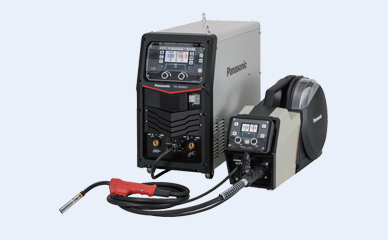
Automation in carbon steel fabrication is expanding as well. Robotic welding, computer-controlled cutting machines, and advanced forming equipment allow for precise and repeatable results. These technologies help structural carbon steel manufacturer facilities meet complex design requirements in large infrastructure projects.
Laws or Policies
Carbon steel manufacturing is shaped by environmental, safety, and trade regulations across many countries.
Environmental regulations often focus on air emissions, energy use, and waste management. Governments may set limits on particulate matter, carbon dioxide emissions, and wastewater discharge from steel plants. These rules encourage carbon steel production company facilities to adopt cleaner technologies and recycling practices.
Occupational safety laws regulate working conditions in steel mills and fabrication workshops. These rules address exposure to heat, heavy machinery, and hazardous materials. Compliance helps protect workers involved in carbon steel fabrication and processing.
Trade policies also influence carbon steel suppliers and manufacturers. Tariffs, import duties, and anti-dumping regulations may affect the movement of steel products between countries. Such policies can shape pricing structures and encourage domestic production.
In some regions, carbon reporting programs require industrial producers to track and disclose greenhouse gas emissions. This has increased transparency in high carbon steel manufacturing and other specialized segments of the industry.
Tools and Resources
Various tools and platforms support professionals and organizations involved in carbon steel manufacturing.
Digital design and modeling software such as AutoCAD, SolidWorks, and Tekla Structures helps engineers create detailed plans for custom carbon steel fabrication and structural components. These tools allow accurate measurements, load simulations, and structural analysis.
Material property databases maintained by organizations like ASTM International and the International Organization for Standardization (ISO) provide technical standards for carbon steel grades. These standards guide carbon steel plate manufacturers and medium carbon steel manufacturer facilities in maintaining consistent quality.
Online steel weight calculators are commonly used to estimate the mass of plates, sheets, and bars based on dimensions and density. These tools help planners determine material requirements for industrial carbon steel products.
Supply chain management software assists carbon steel suppliers in tracking inventory, logistics, and delivery timelines. These systems reduce delays and improve coordination between production plants and downstream industries.
Below is a simplified comparison of carbon steel types based on carbon content and common uses:
| Type of Carbon Steel | Carbon Content Range | Common Applications |
|---|---|---|
| Low Carbon Steel | Up to 0.25% | Structural frames, automotive panels |
| Medium Carbon Steel | 0.25%–0.60% | Shafts, gears, machinery parts |
| High Carbon Steel | 0.60%–1.00%+ | Cutting tools, springs, blades |
This classification helps industries choose materials suitable for specific strength and hardness requirements.
FAQs
What is carbon steel manufacturing?
Carbon steel manufacturing is the process of producing steel that contains iron and varying amounts of carbon. It involves melting raw materials, refining the composition, casting, and shaping into forms such as plates, sheets, and bars used in construction, automotive, and industrial applications.
How do carbon steel manufacturers classify different types of steel?
Carbon steel manufacturers classify steel based on carbon content: low, medium, and high carbon steel. High carbon steel manufacturing focuses on stronger and harder materials, while medium carbon steel manufacturer operations typically produce balanced-strength components for machinery and automotive use.
What do carbon steel plate manufacturers and carbon steel sheet suppliers produce?
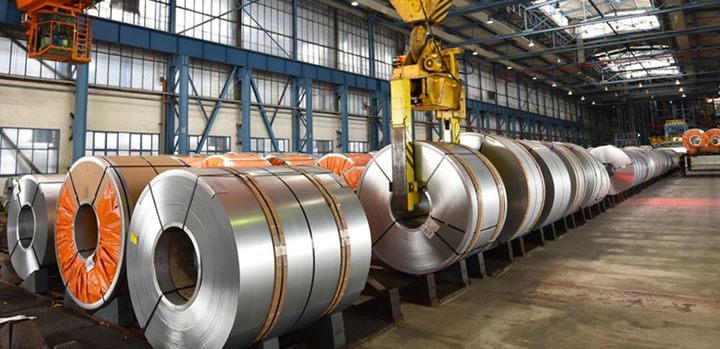
Carbon steel plate manufacturers produce thick, flat steel sections used in heavy structures, pressure vessels, and shipbuilding. Carbon steel sheet suppliers provide thinner materials often used in automotive panels, appliances, and fabricated components.
How is carbon steel used in the automotive industry?
Carbon steel for automotive industry applications includes chassis frames, suspension components, engine parts, and body panels. Its mechanical properties allow manufacturers to form complex shapes while maintaining structural strength and safety performance.
What is custom carbon steel fabrication?
Custom carbon steel fabrication refers to cutting, bending, welding, and assembling steel into specific shapes or structures based on design requirements. This process is widely used for industrial carbon steel products such as storage tanks, frames, platforms, and machinery supports.
Conclusion
Carbon steel manufacturing is a foundational industrial process that supports construction, transportation, and heavy industry worldwide. Carbon steel manufacturers and suppliers transform raw materials into plates, sheets, and structural components used in everyday infrastructure. Ongoing developments in sustainability, automation, and digital monitoring are shaping how steel is produced and fabricated. Understanding the basics of carbon steel production helps clarify its role in modern economies and industrial systems.