

Industrial design focuses on both functionality and usability. Equipment used in this field enables professionals to transform ideas into tangible models, simulations, and engineered components. The process typically involves:
-
Concept sketching and digital modeling
-
Computer-Aided Design (CAD) and 3D modeling
-
Rapid prototyping with 3D printing
-
CNC machining and precision fabrication
-
Testing and validation through simulation tools
Common examples of industrial design equipment include:
-
CAD workstations and 3D modeling software
-
CNC machines
-
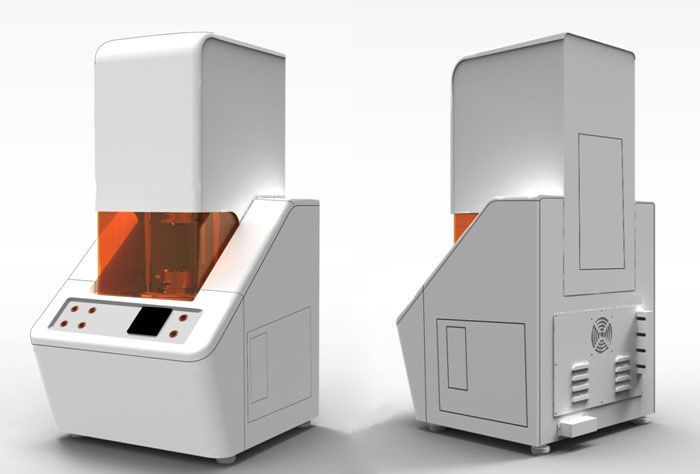
3D printers
-
Laser cutters
-
Injection molding systems
-
Industrial robotics
The goal of this equipment is to improve product performance, reduce design errors, enhance durability, and ensure safety compliance before large-scale manufacturing begins.
Importance – Why Industrial Design Equipment Matters Today
Industrial design equipment plays a central role in modern manufacturing and product development. As industries become more technology-driven, precision and efficiency are increasingly important.
Key reasons this topic matters include:
Faster Product Development
Advanced CAD software and digital twin simulations allow engineers to test designs virtually. This reduces the time required for physical prototypes and accelerates innovation cycles.
Improved Accuracy and Quality Control
CNC machining and automated robotics improve precision. This reduces material waste and ensures consistent quality across production batches.
Sustainability and Material Optimization
Modern equipment supports lightweight materials, recyclable components, and energy-efficient production methods. Simulation software helps optimize designs to reduce environmental impact.
Global Supply Chain Efficiency
Industrial equipment allows manufacturers to standardize processes, ensuring compatibility with global production systems.
Industries Affected
-
Automotive design and electric vehicle manufacturing
-
Aerospace component engineering
-
Consumer product development
-
Medical device innovation
-
Industrial machinery production
Without industrial design equipment, modern high-performance products such as electric vehicles, advanced medical tools, and smart consumer devices would not meet current safety and performance expectations.
Overview of Common Industrial Design Equipment
| Equipment Type | Primary Function | Industry Application |
|---|---|---|
| CAD Software | Digital product modeling | Automotive, electronics |
| CNC Machines | Precision cutting and shaping | Metal fabrication |
| 3D Printers | Rapid prototyping | Product development |
| Laser Cutters | Material shaping | Packaging, electronics |
| Industrial Robots | Automated assembly | Manufacturing lines |
| Injection Molding | Mass component shaping | Consumer goods |
These systems often integrate with Product Lifecycle Management (PLM) software to maintain documentation and regulatory compliance.
Recent Updates – Trends and Developments in the Past Year
Industrial design technology has continued to evolve rapidly in 2025.
AI Integration in Design Tools (2025)
Artificial intelligence is now integrated into major CAD platforms. AI-driven design assistance helps optimize material usage, improve structural integrity, and automate repetitive modeling tasks.
Growth of Additive Manufacturing
In early 2025, additive manufacturing adoption expanded in aerospace and medical device sectors. 3D printing is increasingly used for complex geometries that were previously difficult to produce using traditional machining.
Digital Twin Technology Expansion
More manufacturers are implementing digital twin systems to simulate real-world product behavior. This reduces physical testing costs and enhances predictive maintenance planning.
Sustainability Regulations Impact Equipment Design
Environmental standards introduced in 2024 and updated in 2025 have encouraged equipment manufacturers to develop energy-efficient CNC systems and low-emission industrial machinery.
Automation and Smart Factories
Industrial robotics and IoT-enabled manufacturing equipment continue to support smart factory infrastructure. Real-time data monitoring improves operational efficiency and predictive diagnostics.
Laws and Policies Affecting Industrial Design Equipment
Industrial design equipment must comply with national and international regulations. In India and globally, several policies influence design and manufacturing processes.
India-Specific Regulations
-
Bureau of Indian Standards (BIS) certification for certain machinery and components
-
Environmental norms under the Ministry of Environment, Forest and Climate Change
-
Make in India initiative supporting advanced manufacturing technologies
-
Production Linked Incentive (PLI) schemes encouraging high-tech equipment adoption
International Compliance Standards
-
ISO 9001 for quality management systems
-
ISO 14001 for environmental management
-
CE marking requirements for European markets
-
OSHA safety guidelines for workplace machinery
Manufacturers must ensure that industrial design equipment meets safety certifications and technical standards before implementation.
Failure to comply with regulations can result in production delays, penalties, or restricted market access.
Equipment Technology Comparison
| Feature | Traditional Equipment | Smart Industrial Equipment |
|---|---|---|
| Monitoring | Manual inspection | IoT-based sensors |
| Accuracy | Operator dependent | Automated precision |
| Maintenance | Scheduled checks | Predictive analytics |
| Data Tracking | Limited documentation | Cloud-based reporting |
| Efficiency | Moderate | High optimization |
Smart industrial systems provide improved productivity through automation and real-time data integration.
Tools and Resources
Several digital platforms and technical resources support industrial design professionals:
-
Autodesk AutoCAD and Fusion 360 for 3D modeling
-
SolidWorks for mechanical design engineering
-
Siemens NX for advanced product development
-
ANSYS simulation software for stress analysis
-
MATLAB for engineering calculations
-
GrabCAD library for CAD models
-
ISO official website for compliance standards
-
BIS India portal for certification guidelines
Other useful resources include:
-
Design validation checklists
-
Risk assessment templates
-
Material selection databases
-
Lifecycle assessment calculators
These tools help engineers maintain compliance, optimize designs, and streamline documentation.
FAQs
What is the difference between industrial design equipment and manufacturing equipment?
Industrial design equipment focuses on creating and refining product designs before mass production. Manufacturing equipment is primarily used during large-scale production processes.
Why is CAD software important in industrial design?
CAD software enables precise digital modeling, structural analysis, and simulation. It reduces errors and improves collaboration between engineering teams.
How does 3D printing improve product development?
3D printing supports rapid prototyping. Designers can test physical models quickly, identify design flaws, and make adjustments before full production.
Are there safety requirements for industrial machinery in India?
Yes. Machinery must comply with Bureau of Indian Standards guidelines and relevant environmental and workplace safety regulations.
What role does artificial intelligence play in industrial design?
AI enhances optimization, automates repetitive tasks, and supports predictive analysis for product performance and equipment maintenance.
Industrial Design Workflow Overview
Below is a simplified workflow illustrating how industrial design equipment is typically used:
| Stage | Tools Used | Purpose |
|---|---|---|
| Concept Development | CAD software | Digital visualization |
| Simulation | ANSYS, MATLAB | Stress & thermal analysis |
| Prototype Creation | 3D printer | Physical model |
| Refinement | CNC machining | Precision adjustment |
| Testing | Measurement tools | Quality validation |
This structured approach reduces production risks and improves product reliability.
Conclusion
Industrial design equipment forms the foundation of modern product development. From CAD software and CNC machines to AI-powered simulation tools, these systems enable precision, efficiency, and innovation across industries.
As smart manufacturing, additive manufacturing, and digital twin technologies continue to evolve in 2025, industrial design processes are becoming more data-driven and sustainable. Regulatory frameworks such as BIS standards and international ISO certifications further ensure safety and quality compliance.
Understanding industrial design equipment helps businesses, engineers, and policymakers make informed decisions about technology adoption, compliance, and operational efficiency. With continuous technological advancements and stricter environmental standards, the role of industrial design equipment will remain central to global manufacturing ecosystems.