Learn about natural immunity boosters and how they support your body's defense system. Explore evidence-based approaches to strengthening immune health naturally.
Understanding Natural Immunity Boosters
Your immune system works continuously to protect your body from harmful pathogens and maintain overall health. Natural immunity boosters refer to foods, nutrients, and lifestyle practices that support this complex biological system. Unlike quick-fix solutions, genuine immune support involves consistent, evidence-based approaches that work with your body's natural processes.

The concept of "boosting" immunity has become increasingly popular, but it's important to understand what this actually means. Rather than dramatically increasing immune function, these natural approaches help optimize your immune system's ability to function effectively. Your body already possesses sophisticated defense mechanisms, and natural boosters help maintain and support these systems.
What Immunity Actually Means
Immunity encompasses your body's ability to recognize and respond to threats like viruses, bacteria, and other pathogens. This involves multiple systems working together, including white blood cells, antibodies, and various organs. Natural boosters support these existing mechanisms rather than creating new defenses.
Benefits and Realistic Expectations
Understanding what natural immunity boosters can and cannot do helps set appropriate expectations. These approaches offer genuine benefits when used consistently as part of a comprehensive health strategy.
Documented Benefits
- Supporting normal immune function through essential nutrients
- Reducing the duration of occasional minor illnesses
- Promoting overall wellness through nutrient-dense foods
- Supporting gut health, which influences immune response
- Reducing inflammation through antioxidant-rich foods
- Enhancing energy levels and general vitality
Important Limitations
Natural immunity boosters are not replacements for medical treatment or vaccinations. They cannot cure serious infections or provide guaranteed protection against illness. Results vary significantly between individuals based on genetics, age, existing health conditions, and lifestyle factors. Consistency matters more than intensity—regular, moderate use of these approaches yields better results than sporadic, extreme efforts.
Types of Natural Immunity Boosters
Nutritional Sources
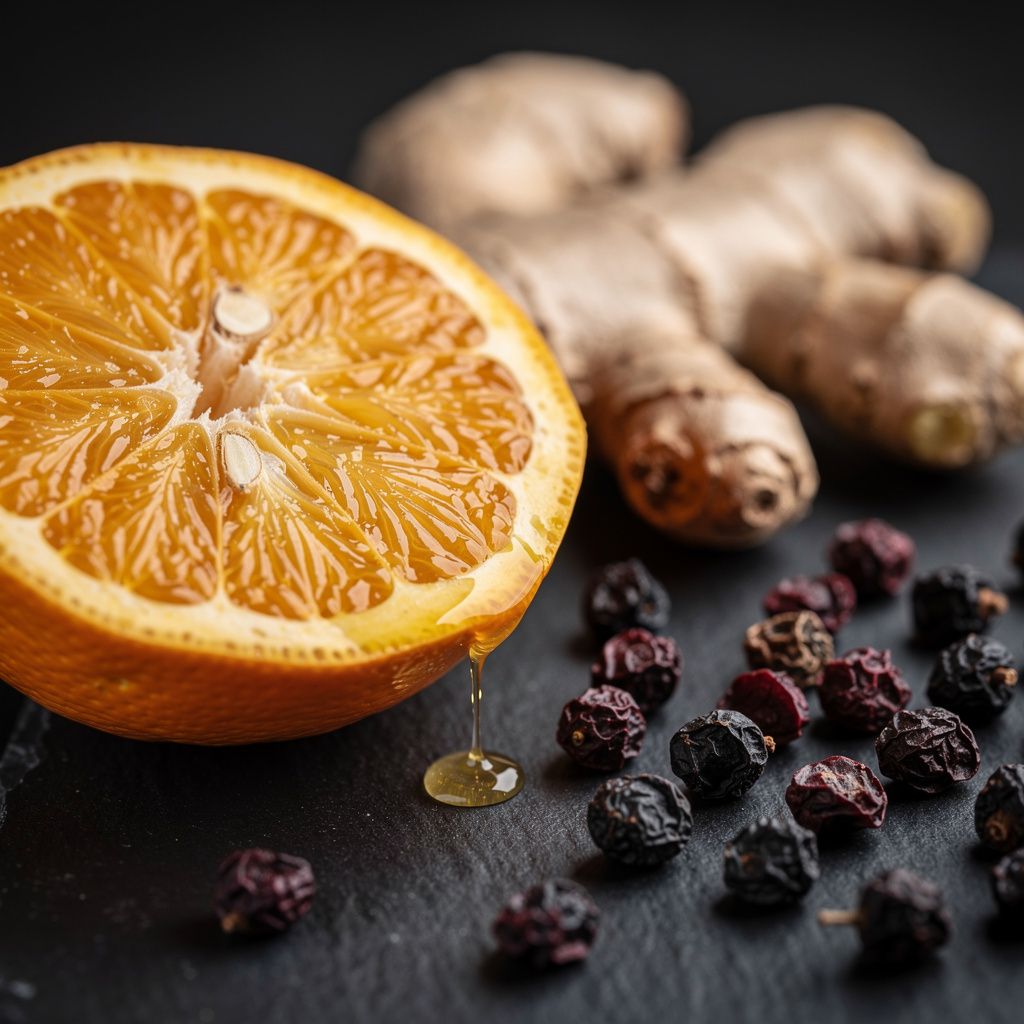
Whole foods provide the most bioavailable forms of immune-supporting nutrients. Citrus fruits deliver vitamin C, which supports white blood cell function. Garlic contains compounds with antimicrobial properties. Ginger offers anti-inflammatory benefits. Leafy greens provide vitamins A, C, and E, all crucial for immune health. Berries contain anthocyanins and other antioxidants that protect cells from oxidative stress.
Herbal Approaches
Traditional herbal remedies have been used for centuries to support immune function. Elderberry has been studied for its potential to support respiratory health. Echinacea is traditionally used to support immune response during seasonal challenges. Turmeric contains curcumin, known for anti-inflammatory properties. These herbs work best when used consistently and appropriately.
Supplemental Options
When dietary sources aren't sufficient, supplements can fill nutritional gaps. Vitamin D supports immune cell function and is particularly important in regions with limited sunlight. Zinc plays a critical role in immune cell development and function. Probiotics support gut health, where much of immune function originates. Vitamin C supplements complement dietary sources for those with higher needs.
Lifestyle Practices
Behavioral changes often provide the most significant immune support. Quality sleep allows your body to produce and distribute immune cells effectively. Regular physical activity enhances immune circulation and function. Stress management reduces cortisol, which can suppress immune response. Proper hydration supports all bodily functions, including immune processes.
Current Trends in Natural Immunity
The natural immunity landscape continues to evolve as research advances and consumer interest grows. Several trends are shaping how people approach immune health naturally.
Personalized Nutrition
Rather than one-size-fits-all approaches, personalized nutrition considers individual genetics, lifestyle, and health status. This allows for targeted immune support based on specific needs and deficiencies.
Gut-Immune Connection
Growing research emphasizes the gut microbiome's crucial role in immune function. Probiotic foods and prebiotic fibers are gaining prominence as immune-supporting strategies.
Adaptogenic Herbs
Adaptogens like ashwagandha, rhodiola, and holy basil help the body manage stress, indirectly supporting immune function through stress reduction.
Key Features of Effective Immunity Support
| Feature | Description | Examples |
|---|---|---|
| Nutrient Density | High concentration of vitamins and minerals per serving | Leafy greens, berries, nuts |
| Antioxidant Content | Compounds that protect cells from oxidative stress | Vitamin C, E, selenium |
| Anti-inflammatory Properties | Reduces chronic inflammation that impairs immunity | Turmeric, ginger, omega-3s |
| Bioavailability | How easily your body absorbs and uses nutrients | Whole foods vs. synthetic forms |
| Consistency of Use | Regular intake produces better results than sporadic use | Daily habits vs. occasional supplements |
Popular Natural Immunity Approaches
Vitamin and Mineral Support
Essential micronutrients form the foundation of immune support. Vitamin A maintains mucous membrane integrity, your body's first defense barrier. Vitamin D regulates immune cell function and inflammation. Vitamin E protects cells from damage. Zinc is essential for white blood cell development and function. Selenium supports antioxidant enzymes that protect immune cells.
Herbal Immune Support
Various herbs have been traditionally used and studied for immune benefits. Astragalus is used in traditional medicine to support immune resilience. Medicinal mushrooms like shiitake and maitake contain beta-glucans that support immune function. Cat's claw has been studied for its potential immune-modulating properties. These work best as part of a comprehensive approach rather than standalone solutions.
Fermented Foods
Fermentation creates beneficial bacteria that support gut health and immune function. Yogurt, kefir, sauerkraut, and kimchi provide natural probiotics. These foods also enhance nutrient bioavailability and support digestive health, which influences overall immunity.
Selecting Natural Immunity Boosters
Choosing Quality Products
- Look for third-party testing and certification
- Check ingredient lists for purity and transparency
- Choose whole food sources when possible
- Verify that claims are supported by research
- Consider your individual health needs and conditions
- Consult healthcare providers before starting new supplements
Integration Checklist
Before incorporating new immune-supporting practices, consider these factors:
- Current Health Status: Assess any existing conditions or medications that might interact
- Nutritional Gaps: Identify which nutrients your diet may lack
- Lifestyle Capacity: Ensure you can maintain new habits consistently
- Budget Considerations: Balance quality with affordability
- Personal Preferences: Choose approaches you'll actually follow
- Professional Guidance: Seek expert advice for personalized recommendations
Practical Tips for Daily Immunity Support
Nutrition Strategies
Incorporate immune-supporting foods into every meal rather than relying on supplements alone. Add garlic and ginger to cooking for flavor and immune benefits. Include colorful vegetables daily to ensure diverse antioxidant intake. Choose whole grains for sustained energy and fiber that feeds beneficial gut bacteria. Include protein sources at each meal to support antibody production.
Lifestyle Integration
Prioritize seven to nine hours of quality sleep nightly, as this is when your body produces immune cells. Engage in moderate physical activity most days, such as brisk walking or cycling. Practice stress-reduction techniques like meditation or deep breathing. Stay adequately hydrated throughout the day. Maintain consistent meal times to support digestive health and nutrient absorption.
Seasonal Adjustments
Adapt your immunity approach to seasonal changes. During winter months, increase vitamin D intake through supplements or fortified foods. In spring and summer, take advantage of fresh produce for maximum nutrient density. Adjust activity levels based on weather and daylight availability. Consider seasonal herbs that support immune health during vulnerable periods.
Frequently Asked Questions
Can natural immunity boosters replace medical treatment?
Natural immunity boosters complement but do not replace medical treatment. They support your body's natural defenses but cannot cure infections or serious illnesses. Always follow medical advice and consult healthcare providers before making changes to treatment plans.
How long does it take to see results from natural immunity support?
Results vary significantly between individuals. Some people notice improved energy within weeks, while immune function changes may take months to manifest. Consistency matters more than quick results—maintaining these practices long-term yields the best outcomes.
Are natural immunity boosters safe for everyone?
Most natural approaches are safe for healthy adults, but individual circumstances vary. Pregnant women, children, elderly individuals, and those with chronic conditions should consult healthcare providers before starting new supplements or making significant dietary changes.
What's the difference between immune support and immune boosting?
Support means maintaining normal immune function, while boosting implies increasing function beyond normal levels. Most natural approaches support optimal function rather than creating abnormally high immune responses, which can actually be harmful.
Can I take multiple immunity supplements together?
Combining supplements is generally safe but requires careful consideration. Some nutrients enhance each other's absorption, while others may interact negatively. Consult healthcare providers or nutritionists before combining multiple supplements to ensure safety and effectiveness.
How do I know if a natural immunity product is effective?
Look for products with research backing their claims, third-party testing verification, and transparent ingredient lists. Be skeptical of exaggerated promises or claims of guaranteed protection. Reputable products provide honest information about what they can and cannot do.
Conclusion
Natural immunity boosters offer evidence-based approaches to supporting your body's defense systems through nutrition, herbs, supplements, and lifestyle practices. Rather than seeking quick fixes, effective immunity support involves consistent, comprehensive strategies that address multiple aspects of health. Incorporating nutrient-dense foods, managing stress, prioritizing sleep, and staying physically active create a foundation for optimal immune function. When dietary sources are insufficient, thoughtfully selected supplements can fill nutritional gaps. Remember that immunity is complex and individual—what works effectively for one person may differ for another. By combining evidence-based natural approaches with professional guidance and realistic expectations, you can support your immune health as part of a balanced, sustainable wellness routine. The most effective immunity support is the approach you'll maintain consistently over time.