The roof sheets are prefabricated sheets made of different materials that act as a protective cover on the roofs of the buildings. They are usually used in both residential and commercial construction to form interiors from the weather elements such as rain, heat, air and ice. The roof sheets offer cost-effective alternatives for a light, durable and often traditional concrete or tile.
This guide covers everything needed to learn about roof sheets - how to choose the best option based on materials, benefits, uses, boundaries, trends and your climate, budget and building types.
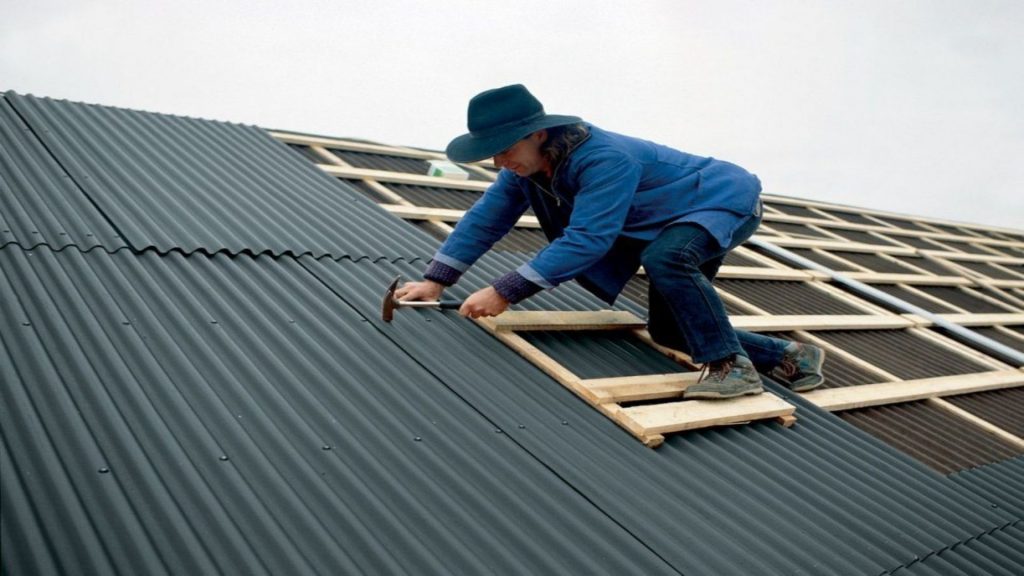
What Are Roofing Sheets?
The roof sheets are completed panels or sheets made of different materials such as metals, polycarbonates, bitumen or fiber cement. They are installed on roofs to shape buildings from rain, sun, air and other environmental elements.
Depending on the composition and design, the roof plates can provide:
Thermal insulation
Corrosion resistance
Structural
Fire and water resistance
Benefits of Roofing Sheets
Cleanliness: Many roof sheets last over 20-50 years with minimal maintenance.
Fast installation: Prefabricated and modular designs reduce the construction time.
Cost certificate: Provides long -term savings due to low maintenance.
Types of Roofing Sheet Materials
1. Metal Roofing Sheets
Ingredients: high school steel, aluminum, zinc, copper.
Features: Ideal for high durability, fire resistance, commercial and residential use.
Use cases: Home in factories, farmhouses, high or ice areas.
2. Polycarbonate Sheets
Ingredients: Transparent thermoplastic polymer.
Features: Lightweight, UV resistant, allows natural light.
Use cases: greenhouse, courtyard, skylight, industrial shed.
3. Bitumen Roofing Sheets
Ingredients: asphalt composition fiber or felt.
Features: Flexible, waterproof, low costs.
Use cases: Garden shed, garages, temporary structures.
4. Fiber Cement Sheets
Ingredients: mixture of cement and cellulose fiber.
Features: Fire report, insect resistant, low thermal conductivity.
Use cases: Buildings in housing, school and rural buildings.
5. Asphalt Shingles (Sheet Form)
Features: beauty appeal, flexible, easy to install.
Use cases: Ceiling in moderate climate.
Top Applications of Roofing Sheets
Residential House: Metal or asphalt for durability and design.
Commercial building: Corrugated metal and fiber cement for strength.
Save and industrial devices: Lod-Ass Jasti Steel for need.
Agricultural sheds and barns: polycarbonate or bitumen for cost certificate.
Carports and pergolas: Transparent polycarbonate for natural light.
Emerging Trends in Roofing Sheet Design (2025)
Cool roof technology: Relatively sheet to reduce indoor temperature.
Noisy material: acoustic ceiling options for city buildings.
Self -cleaning coating: Hydrophobic coatings to reduce dust construction.
Limitations to Consider
Noise in rain (especially with metal sheets)
Thermal expansion (can cause war over time)
Corrosion (in poorly coated metal sheets)
Establishment requires effective labor (especially for sloping roofs)
How to Choose the Right Roofing Sheet
1. Climate Compatibility
For moist/rainy areas: Choose rust -proof materials such as aluminum or PVC.
For hot areas: Use contemplative or pristine sheets.
2. Budget and lifetime
Bitumen and PVC are cost -effective; Metal and fiber cement provide long -term durability.
3. Construction purposes
Polycarbonate is great for light transfer in greenhouses; Use of metal uses industrial use.
4. Maintenance requirements
The metal requires relapse; Plastic and polycarbonate sometimes require cleaning.
5. Aestetics appeal
Asphalt or malt fiber cement offers stylish alternatives for residential properties.
FAQs About Roofing Sheets
Q1. Which roof sheets are best for home?
Metal and asphalt shingles are most preferred for their strength, shape and long life.
Q2. What is the lifetime of the roof sheets?
Metal sheets can last for 40-50 years; Bitumen or plastic sheet lasts for about 10-20 years.
Q3. Are the roof plates noisy under the rain?
Yes, especially metal sheets, but sound insulation insulation can reduce noise.
Q4. Can I use a roof sheets for walls or fences?
Yes, wavy sheets are often used for walls, fences and partitions.
Q5. Are the roof plates waterproof?
Yes, most sheets are designed for waterproof, but proper installation is important.
Checklist: What to Ask Before Buying Roofing Sheets
What is the expected life of the sheet?
Is this weather resistant and rusty?
Does it complete the local construction code?
Is it compatible with your roof structure?
What is a guarantee or after sales support?
Can it support insulation or solar integration?
Conclusion: Roofing Sheets Offer Smart, Stylish Protection
The roof sheets have evolved from basic wave panels to modern, skilled and durable structural materials. Whether you are planning a new construction or restarting an old roof, there is a roofing material that fits your specific requirements. To choose a roof sheets, the budget, the purpose and the environment that provides the right balance between strength, style and safety.