Learn everything about bottle filling machines—how they work, their types, benefits, and modern industrial applications. Ideal guide for businesses investing in packaging tech.
Bottle filling machines are important equipment in industries where products are to be filled in containers or bottles with high accuracy and speed. These machines are common in beverages, medicines, cosmetic and chemical industries and reduce human errors, increase production and maintain hygiene and product stability.
In today's automation -driven production lines, understand how bottle filling machines work and how your operation can help adapt to cost and improve productivity.
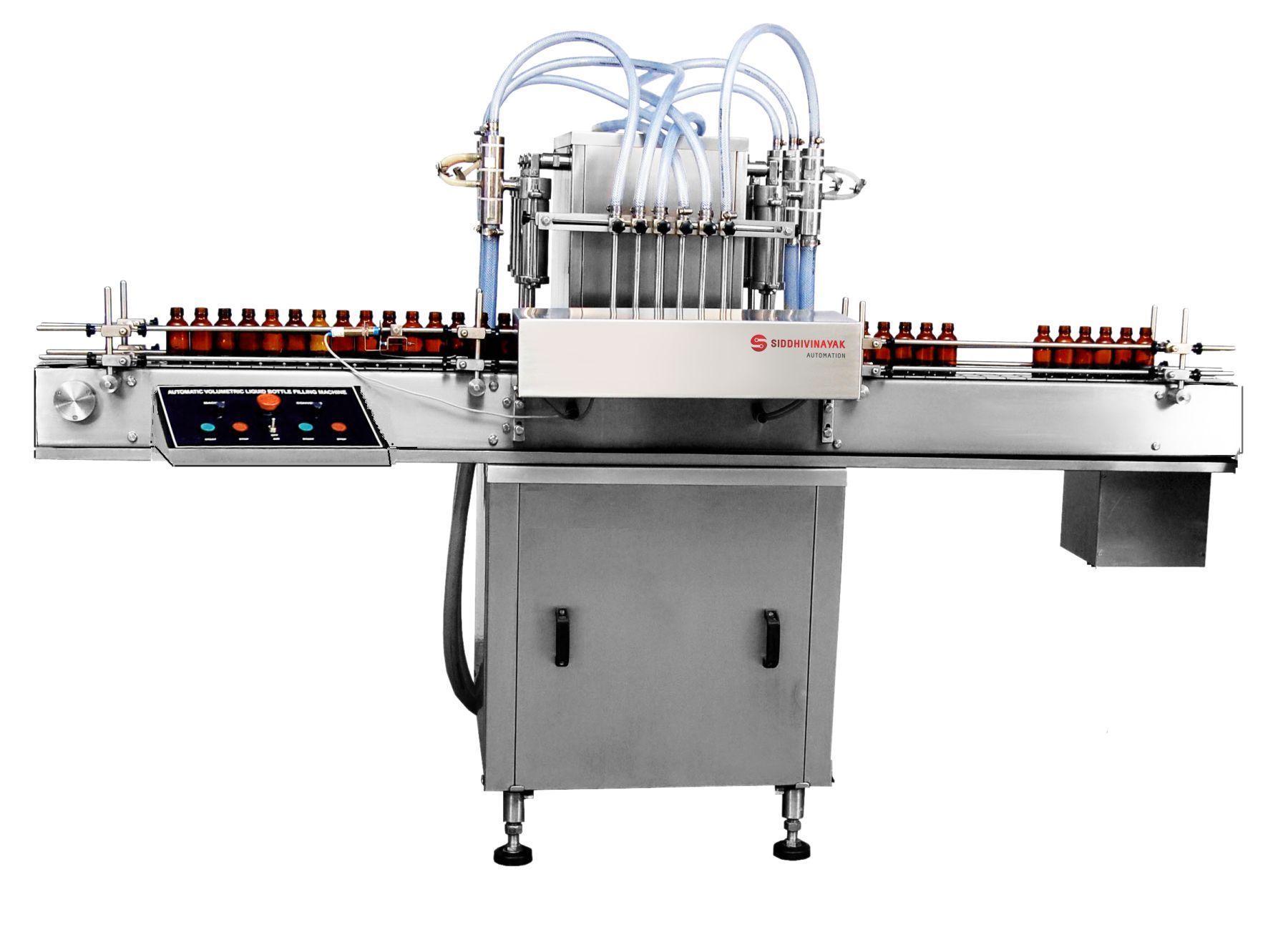
Benefits and Limitations of Bottle Filling Machines
Benefits:
-
High-speed production: able to fill hundreds of thousands of bottles per hour.
-
Better accuracy: The product reduces the waste with accurate volume control.
-
Consistency and hygiene: Ideal for food and pharmaceutical industries requires a sterile environment.
-
Scalability: Simple semi or fully integrated into automatic packaging systems.
Limits:
-
High early investment: Especially for automated or multi-headed systems.
-
Maintenance required: Regular cleaning and calibration are required.
-
Product limits: Some machines cannot effectively handle highly-flowing or foamy liquid.
Latest Trends and Innovations
-
Smart Filling System: Integration with IoT sensor for real-time monitoring.
-
CIP system (CIP (CIP): Manual increases hygiene without cleaning.
-
Sarvo-driven technology: correction accurate and speed.
-
Modular design: Easy adaptation and scalability for startups and growing plants.
-
Environmentally friendly system: Low energy and minimal spray machines get traction.
Main Features to Consider When Buying a Bottle Filler
-
Speed (bottles per minute - BPM): Production matches the target.
-
Filler accuracy: Especially important in pharmacy and chemical areas.
-
Material compatibility: Food quality stainless steel or chemically resistant material.
-
Automation level: Manual, semi-automatic or completely automated.
-
Cleaning requirements: Machines with CIP protect time and effort.
-
Supportive bottle size and size: Make sure you adaptability.
How to Choose the Right Bottle Filling Machine
-
Identify your product type: sticky, foamy or free flow?
-
Production capacity is required: Machine speed match with daily requirements.
-
Bottle material and size: plastic, glass or special shape?
-
Industry compliance: Food, pharmacy or chemical safety rules.
-
Budget area: Factors in not only machine costs, but also setup, maintenance and training.
-
Scalability: Can a machine grow with your business?
Tips for Best Use and Maintenance
-
Routine Calibration: Maintain accuracy and prevent waste.
-
Use compatible detergents: Protect internal components.
-
Training operator well: Reduce shutdown due to handling errors.
-
Replace the worn parts immediately: Stop big malfunction.
-
Track Production data: For maintenance and future plans.
FAQ: Common Questions About Bottle Fillers
Q1: Can a machine handle its own bottle size?
Yes, many machines have adjustable components or interchangeable parts.
Q2: What is specific returns for automated machines?
Depending on the amount of production, but returns, it is usually seen within 1-2 years for the middle of the production at high prime.
Q3: Are there portable filling machines for start-up?
Yes, semi-automatic machines are available and are popular for the production of small batch.
Q4: How often should a bottle filling machine serve?
Regular service is usually required monthly, with deep cleaning after each batch or daily shift for sensitive products.
Q5: Can filling machines handle both glass and plastic bottles?
Most people can, but you have to make sure that both grabs and carriers both support safely.
Checklist Before Purchase
-
Defined your product type and viscosity?
-
Calculation of daily and monthly production needs?
-
Determined bottle material and size?
-
Review Machine + Setup budget?
-
Check the availability of support for post-sales and multiple parts?
-
Evaluate energy and water consumption?
Conclusion: Efficiency of Packaging Through Solving Proper Bottle Filling
Choosing the right bottle filling machine is an important step in automatic and scale for the product packaging process. From small-batch-table top models to a fully automated high-speed system, the right battle depends on the production goals, product characteristics and budget.
Manufacturers in sectors - from drink to cosmetics - modern bottle filling technology can have great advantage. Be sure to assess long-lasting efficiency, maintenance needs and compatibility with the packaging line.