Explore how modern rubber machines improve the production, quality and efficiency of the rubber industry with the latest automation and environmentally friendly innovations.
Rubber is important for modern construction, operating sector such as motor vehicles, health services, shoes and construction. The machinery behind rubber treatment plays an important role in ensuring quality, stability and efficiency. When the industry embraces automation and stability, today's rubber production system is more intelligent than ever.
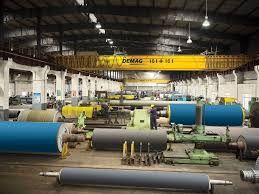
Why Rubber Industry Machinery Matters
Rubber industry machines are crucial for:
The production of tires, seals, hoses and gaskets streamlined.
Maintain the product's unity for security applications.
Improves cost will through automation.
To reduce waste and emissions through energy-related technologies.
Key Types of Rubber Machinery
Rubber Blending Factories
Raw rubber is mixed with additives to produce specialized rubber compounds.-
Rubber Extruders
Shape rubber into profiles or sheets through continuous extrusion. -
Compression and Injection Molders
Form final rubber products using molds under pressure and heat. -
Vulcanizing Press
Enhance rubber strength and elasticity through controlled heat treatment. -
Calender Machines
Produce precise rubber sheets for lamination or coating. -
Bale Cutters and Blades
Assist in preparing raw rubber and removing impurities.
Benefits of Modern Rubber Machinery
| Benefit | Description |
|---|---|
| Efficiency | High-speed automation boosts output. |
| Consistency | Digital controls reduce human error. |
| Cost Savings | Material reduces waste and labor costs. |
| Sustainability | Many machines now support environmentally friendly operations. |
| Safety | Enhanced with emergency controls and sensors. |
Current Trends in Rubber Manufacturing
Smart Automation
IoT and AI-driven machinery enable real-time quality monitoring and predictive adjustments.-
Energy Efficiency
Low-power machines help reduce energy costs and cut down emissions. -
Recycled Rubber Integration
Supports sustainability goals and aligns with the circular economy. -
Remote Monitoring
Allows predictive maintenance, troubleshooting, and even automatic shutdowns when required. -
Modular Equipment
Scalable systems designed to grow with business needs and production demand.
Choosing the Right Rubber Machinery
Before investing, consider:
-
Requirements for production volume
-
Type of rubber products
-
power consumption
-
Automation and control facilities
-
Service access and guarantee
Real-World Use Case
A car parts were upgraded to smart rubber machines with supplier IoT sensor. Results: 35% increase in productivity and a 20% decline in energy consumption.
FAQ
Q1: What is the best machinery for making rubber seals?
Injection casting machines are ideal for producing accurate rubber gaskets.
Q2: Are rubber machines environmentally friendly?
Modern machines include energy-saving systems and waste-reduction features.
Q3: What is vulcanization?
It is a process of curing rubber using heat and sulfur to increase its strength and elasticity.
Q4: How long does the rubber industry's machinery last?
With proper maintenance, most machines last between 10–20 years.
Conclusion
Investing in the right rubber industry machinery is important to improve the quality of production, reduce costs and continue in competitive market. With progress in automation, stability and smart control, manufacturers can achieve smart production for long success.