Understand how pouch packing machines work, their benefits, types, setup process, and key features. A complete how-to manual for businesses and operators.
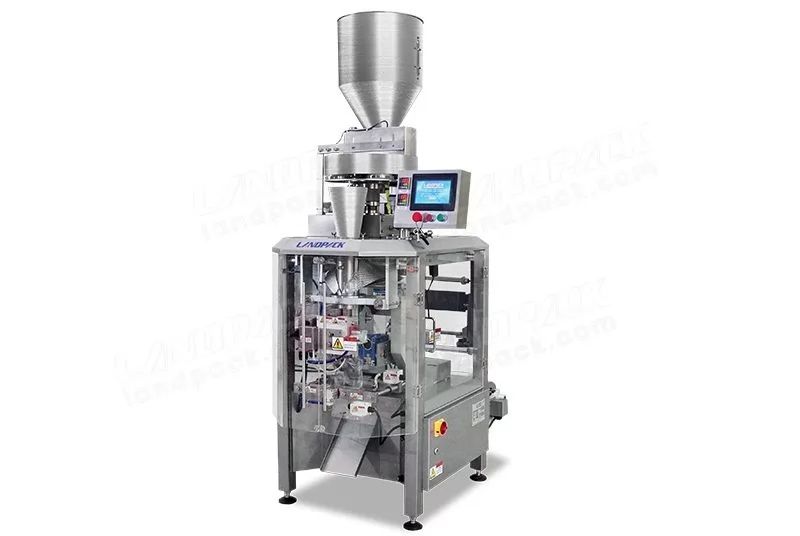
In the developed world of food and product packaging, packing machines have become essential in industries such as food processing, drugs and consumables. These machines automate the process of filling and sealing the products in the bag - significantly improves the speed, hygiene and durability. Whether you set up a small production unit or scaling of the packaging line, understand how bagpacking machines work and how to make them effectively and save time and increase productivity.
The Benefits of Packing Machines
-
Consistency and hygiene: Sealing bag reduces the risk of pollution and product improves durability.
-
Cost effective: Factation reduces waste and reduces labor costs.
-
Professional Finish: Provides a market-taiyar look with safe sealing and printable surfaces.
Limitations to Consider
High early investment: Completely automated models can be expensive.
-
Technical maintenance: Regular service and repair required trained personnel.
-
Power dependency: It is not always suitable for areas with incredible electricity.
-
Material compatibility: Some machines cannot handle all packaging types, such as foil versus plastic.
Types of Pouch Packing Machines
| Type | Suitable For | Operation Type |
|---|---|---|
| Vertical Form Fill Seal (VFFS) | Granules, powders, snacks | Automatic |
| Horizontal Form Fill Seal (HFFS) | Liquid and semi-liquid foods | Automatic |
| Manual Pouch Filling Machines | Startups, low-volume packaging | Manual/Semi-Automatic |
| Multi-Lane Pouch Machines | High-speed industrial applications | Fully Automatic |
| Rotary Pouch Machines | Pre-made pouch filling | Semi/Full Automatic |
| Brand/Company | Model/Series | Specialization |
|---|---|---|
| Nichrome India | Sprint Series | Versatile food-grade VFFS machines |
| Bosch Packaging (Syntegon) | SVL, SVE Series | High-speed, fully automatic systems |
| Uflex Ltd | HFFS Machines | Custom solutions and bulk packaging |
| Mamata Machinery | Vega Series | Rotary and multi-format compatibility |
| Turpack (Turkey) | Stickpack & Sachet Machines | Liquid, powder, pharma industry focus |
How to Choose the Right Bag Packaging Machine
Define your product type: powder, granules, sticky liquid
-
Estimates are required: machines are from 10 to 200+ bags/min
-
Think of posing style and shape: flat, stand-up, spoon, zipper
-
Check the infrastructure: power supply, location, operator skills
-
Evaluate Budget: Manual boot model, automatic for scaling
-
Review requirements for compliance: Certification of food quality, pharmacisting, etc.
Tips for Best Use and Maintenance
Calibrates regularly: Maintain weight accuracy and avoid overfilling.
-
Clean components daily: Focus on nozzle, filling and sealing areas.
-
Use compatible material: The quality of the packaging film affects the sealing force and output.
-
Keep spare parts: Keep belts, heaters and fast replacement sensors.
-
Training your operators: Proper use ensures that the machine performs effectively.
Common Questions: Real Users
Q1: Can a bag packaging machine handle more bags?
Yes, many modern machines have adjustable filling and bag configurations.
Q2: What kind of movie materials are compatible?
Common materials include polyethylene (PE), polypropylene (PP), laminates and aluminum foils.
Q3: Are there only food products bag machines?
No, they are also widely used in drugs, cosmetics, fertilizers and pet foods.
Q4: How much space does the machine require?
A specific VFF machine requires a place with 2-4 square meters, except for loading and unloading zones.
Q5: What is the average life of a bag packaging machine?
With regular maintenance, 8-12 years are specific.
Checklist for Setup
Confirm the product type and viscosity
-
Decide on the size and style of the bag
-
Match movie roll type
-
Secure enough space and structural support
-
Rent effective or trained operators
-
Set cleaning and maintenance programs
-
Choose a provider with reliable post-selling service
Conclusion
Pose machines have changed packaging efficiency in industries. By understanding the needs of your product, evaluating machine types and preferring important functions such as hygiene and output speed, you can invest in the System Alliance with your operating objectives. A properly selected packaging machine not only improves efficiency and product durability, but also keeps your business for future automation trends.