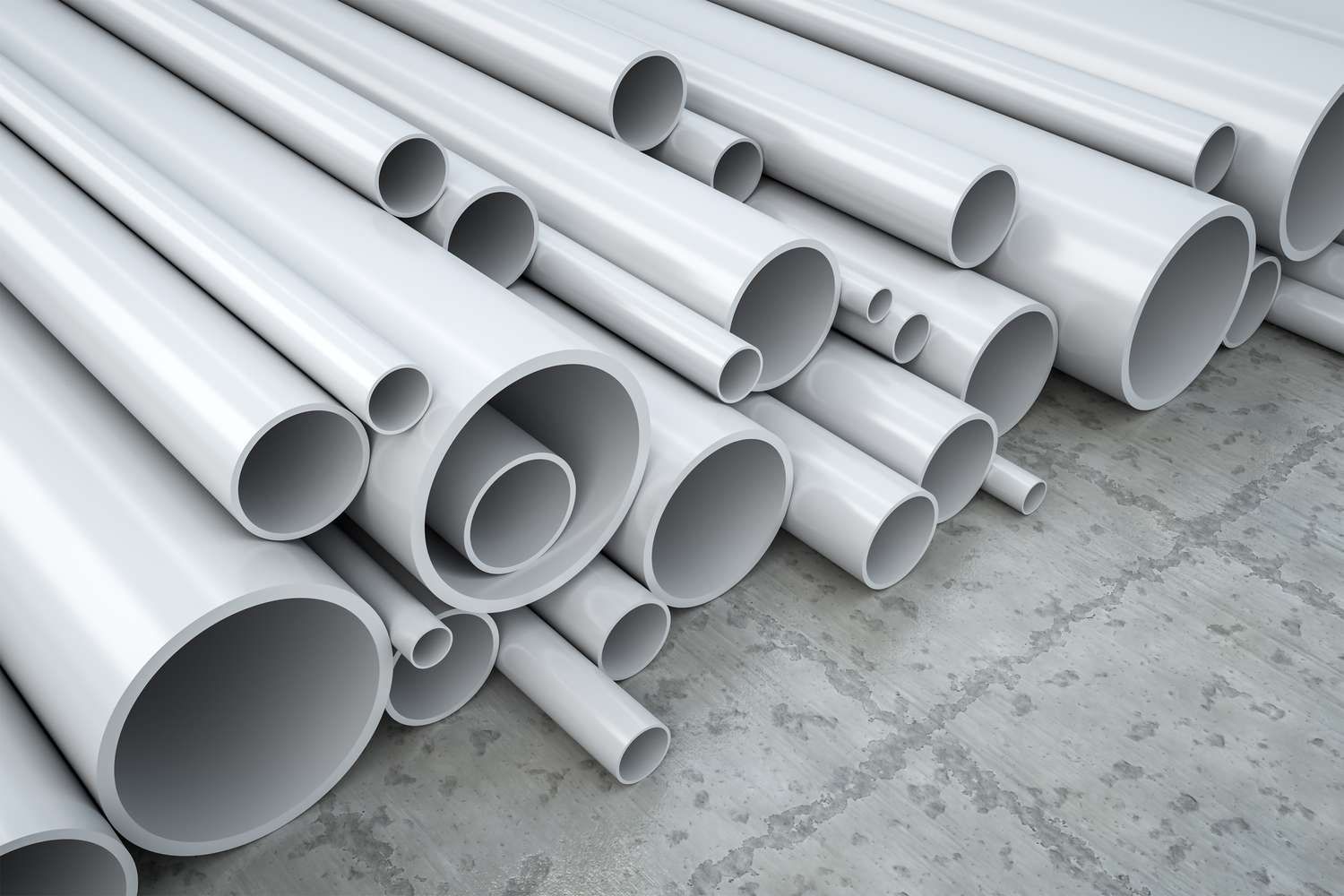
Polyvinyl chloride (PVC) is one of the most widely used synthetic plastic in the world. Everything from water pipes and window frames to medical equipment and packaging was found, PVC construction, health care, electronics and even plays a basic role in fashion. Popularity comes from a unique combination of strength, durability, chemical resistance and versatility.
As industries seek more durable and functional materials, PVC's role - with its limitations and innovations - becomes equally necessary for professionals and consumers. This guide how to choose the Types PVC, its applications, the latest trends and the correct PVC products for your use.
Benefits and Limitations of PVC
Benefits:
-
Stability: Long life, especially in external or buried companies.
-
Chemical resistance: Works well in a stiff environment.
-
Cost effective: Cheap for mass construction and use.
-
Water resistance: Suitable for plumbing, watering and waterproof structures.
Limits:
-
Environmental edges: Non-geological derogatory and carefully disposal is necessary.
-
Toxic additives: Some products may have phthalates or heavy metals.
-
Thermal instability: Can deform at high temperatures.
-
Recycling challenges: Not easily recycled as PET or HDPE.
Latest Trends and Innovations in PVC Applications
-
Green PVC (BIO-based PVC): Research runs in plant-based alternatives that reduce the dependence of fossil fuels.
-
PVC nanocomposes: Better thermal, electrical and mechanical properties for high protest applications.
-
3D-written PVC filaments: Emerging use in custom parts and fast prototypes.
-
Smart PVC coating: Antimicrobial and self-healing coatings for health services and food contact surfaces.
-
Fire retardant PVC: Increased formulation reduces flammability in important environments.
Key Features to Consider Before Choosing PVC Products
-
Mechanical strength: Required for supporting or structural use.
-
Flexibility: Cable is important for pipes and adaptable components.
-
Chemical compatibility: For use in corrosive or chemically active environment.
-
Temperature tolerance: Especially important in HVAC or plumbing applications.
-
Compliance and certification: Make sure FDA, ISO, ROHS or when compliance with specific areas such as medical or food quality PVC.
-
UV resistance: Important for external or exposed installations.
-
Color and Finish: Matt, Shiny or Custom is available for design-driven applications.
Top Companies or Solutions in PVC Manufacturing
Here are some global leaders and notable innovators in the PVC industry:
| Company | Overview |
|---|---|
| Shin-Etsu Chemical | Japan-based; one of the largest PVC producers globally. |
| Formosa Plastics | Taiwan-based; supplies high-grade PVC resins for industrial applications. |
| INEOS Group | UK-based; offers both rigid and flexible PVC compounds. |
| Westlake Corporation | US-based; known for CPVC and vinyl-based building materials. |
| LG Chem | South Korea-based; supplies eco-friendly and high-performance PVC products. |
How to Choose the Right PVC ProductChoosing the right PVC product depends on the following:
Application: Is it structurally, electric, decorative or sanitary?
-
Environmental status: Summer, UV light, moisture or exposure to chemicals?
-
Budget deficiency: Balance the performance with the costs.
-
Regulation requirements: Health services and food applications require certified material.
-
Hope on life: Long-lasting durability or temporary use?
Checklist to Select the Right PVC Material:
-
Confirm Type (Hard, Flexible, CPVC, etc.)
-
Confirm chemical and heat resistance
-
Check environmental protection compliance
-
Fill the match color, thickness and finish's needs
-
Ensure the vendor's reliability and certificate
Tips for Best Use or Maintenance of PVC Materials:
-
Avoid direct flame: PVC is flammable until the treatment is not treated – use it away from heat sources.
-
Use compatible glue and solvents: Especially important in plumbing or construction.
-
Clean with lighting solution: Avoid rigid solvents that can degrade the surface.
-
Store properly: Hold in a cool, shaded area to avoid UV damage or war.
-
Use appropriate fasteners: Hard PVC to prevent cracks during installation.
FAQs: Real User Concerns About PVC
Q1. Is PVC safe for drinking water systems?Q1. Is PVC safe for drinking water systems?
Yes, CPVC and PVC in food quality are safe for the use of drinking water when they are properly installed.
Q2. Can PVC be painted or coated?
Yes, the price of PVC can be painted more, although it is best to use materials designed for plastic.
Q3. How long does PVC last?
The face installed PVC can last for 25-50 years or more, especially in unauthorized surroundings.
Q4. What is PVC recycling?
Recycling is possible, but limited. Only a few PVC types are accepted by municipal programs.
Conclusion: Reflecting on PVC's Role in Modern Industry
PVC is one of the most versatile materials in global production.From ensuring safe drinking water to providing electricity to electrical systems and even flexible medical equipment, the adaptability is unmatched. But when the industry moves towards stability and performance, it is important to choose the right type of PVC - while you know about the boundaries - is important.
Whether you are a contractor, engineer, designer or homeowner, understand how PVC works and how to apply, it will wisely improve the project's efficiency, safety and long -term results.